
A different kind of search
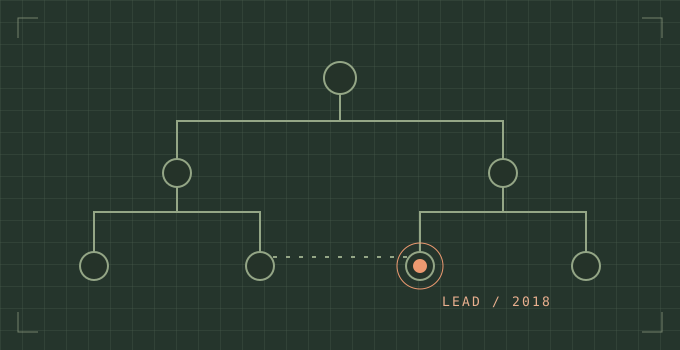
A routine forensic DNA search generally asks whether a crime-scene profile matches a profile already held in a law enforcement database. Investigative genetic genealogy asks a different question: whether a suitable profile appears genetically related to people in a genealogy database that permits the relevant search. The result suggests relationships. A match to a relative does not tell investigators who supplied the original evidence.
Building a hypothesis
Analysts use genetic relationships and records such as family trees to identify branches that could contain the person of interest. They then look for independent information that would make a candidate consistent with the underlying case. Records can be incomplete, incorrect, or reveal relationships a family did not know about. A promising candidate is still only a hypothesis.
Confirmation and context
Confirmation requires comparison with an independently obtained reference sample. Even a confirmed source of DNA does not automatically resolve what happened: investigators and courts may still need to establish how the biological material got there and what it proves about the alleged act. In the DeAngelo case, the genealogy work narrowed the possibilities; the separate DNA comparison confirmed the identification.
Privacy, limits, and reading the news
People who put their own DNA in a genealogy database may reveal information about relatives who did not participate. Policies and permitted uses vary across services and jurisdictions. The U.S. Department of Justice interim policy is useful for learning the federal framework described there; it is not a single rule for every investigation. When reading a headline, look for who performed the search, what connection the search produced, and which independent evidence confirmed it.